

In subrogation cases where the insured’s damages were caused by a defective product, the fact that the product at issue is or was subject to a recall announced by the Consumer Product Safety Commission (CPSC) may help to establish that the product was defective when it left the manufacturer’s possession and control. On June 9, 2022, the CPSC announced the following recall related to a product that presents a fire hazard:
Spirit Halloween Recalls Black Light Fixtures Due to Fire and Burn Hazards.
According to the CPSC’s website, “[t]he bulb in the fixture can pop, flash and ... Continue Reading

In subrogation cases where the insured’s damages were caused by a defective product, the fact that the product at issue is or was subject to a recall announced by the Consumer Product Safety Commission (CPSC) may help to establish that the product was defective when it left the manufacturer’s possession and control. On June 2, 2022, the CPSC announced the following recall related to a product that presents a fire hazard:
DEMDACO Recalls Microwavable Bowl Holders Due to Fire Hazard.
According to the CPSC’s website, “[t]he bowl holder’s fabric can char after being microwaved ... Continue Reading
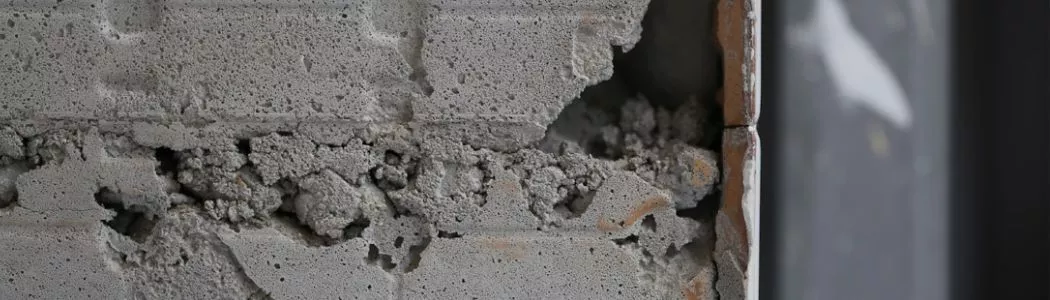
In construction or similar ongoing projects, problems often pop up. Sometimes they can pop up again and again. Making things even more complicated, one problem may affect another, seemingly new problem. When these construction problems result in property damage, timelines tend to overlap and determining when a statute of limitation begins to run for a particular claim can be difficult. Especially in states with short statute of limitations for tort claims like Texas, knowing when a statute begins to run is crucial for a subrogation professional.Continue Reading

For all cases filed after May 13, 2022, Georgia has amended its apportionment of fault statute, O.C.G.A. § 51-12-33. The amendment affects subsection (b), which formerly stated that in actions brought against “more than one person for injury to person or property,” the amount of damages awarded, after taking a reduction for the plaintiff’s percentage of fault, shall be apportioned among the person or persons liable according the each person’s percentage of fault. It also eliminated joint liability and the right of contribution. The amended subsection (b) now applies to actions brought “against one or more persons,” thus allowing courts to apply the statute to single-defendant lawsuits.Continue Reading

Many courts enforce forum selection clauses in contracts between parties. In W. Bay Plaza Condo. Ass’n v. Sika Corp., No. 3D21-1834, 2022 Fla. App. LEXIS 1637 (W. Bay Plaza), the Court of Appeal of Florida, Third District (Court of Appeal) answered the question of whether a mandatory forum selection clause in a manufacturer’s warranty was enforceable as to a condominium association, who was a non-signatory. The trial court enforced the forum selection clause – calling for litigation in New Jersey rather than Florida – and the Court of Appeal affirmed the ruling.Continue Reading

In subrogation cases where the insured’s damages were caused by a defective product, the fact that the product at issue is or was subject to a recall announced by the Consumer Product Safety Commission (CPSC) may help to establish that the product was defective when it left the manufacturer’s possession and control. On May 12, 2022, the CPSC announced the following recall related to a product that presents a fire hazard:
According to the CPSC’s website, “[t]he ... Continue Reading
In subrogation cases where the insured’s damages were caused by a defective product, the fact that the product at issue is or was subject to a recall announced by the Consumer Product Safety Commission (CPSC) may help to establish that the product was defective when it left the manufacturer’s possession and control. On May 5, 2022, the CPSC announced the following recall related to a product that presents a fire hazard:
Santa Cruz Bicycles Recalls Heckler 9 Electric Bicycles Due to Fall and Fire Hazards.
According to the CPSC’s website, “[t]he latch mechanism that holds the ... Continue Reading

In 2700 Bohn Motor, LLC v. F.H. Myers Constr. Corp., No. 2021-CA-0671, 2022 La. App. LEXIS 651 (Bohn Motor), the Court of Appeals of Louisiana for the Fourth Circuit (Court of Appeals) considered whether a subrogation waiver in an AIA construction contract was enforceable and, if so, whether the waiver also protected subcontractors that were not signatories to the contract. The lower court granted the defendants’ motion for summary judgment based on the subrogation waiver in the construction contract. The plaintiffs appealed the decision, arguing that the subrogation waiver violated Louisiana’s anti-indemnification statute. The plaintiffs also argued that even if enforceable, the subrogation waiver did not apply to the defendant subcontractors since they were not parties to the contract. The Court of Appeals ultimately held that the subrogation waiver did not violate the anti-indemnification statute because the waiver did not shift liability, which the statute was intended to prevent. In addition, the Court of Appeals found that the contract sufficiently satisfied the required elements for the defendant subcontractors to qualify as third-party beneficiaries of the contract.Continue Reading
In subrogation cases where the insured’s damages were caused by a defective product, the fact that the product at issue is or was subject to a recall announced by the Consumer Product Safety Commission (CPSC) may help to establish that the product was defective when it left the manufacturer’s possession and control. On April 21, 2022 and April 28, 2022, the CPSC announced the following recalls related to products that present fire hazards:
- Best Buy Recalls Insignia™ Air Fryers and Air Fryer Ovens Due to Fire and Burn Hazards. According to the CPSC’s website, “[t]he air fryers ...
In Maynard v. Snapchat Inc., No. S21G0555, 2022 Ga. LEXIS 68, the Supreme Court of Georgia reversed and remanded an appellate court decision that dismissed the popular mobile app Snapchat from suit. Plaintiffs Wentworth and Karen Miller (collectively, Plaintiffs) were struck by a driver who was allegedly using the popular social media app at the time of the accident. More specifically, the Plaintiffs alleged the driver was using the Snapchat “Speed Filter” feature, which displays and records your speed on camera. Users can then send video messages to friends that display the speed you were traveling at the time the video was taken. The Plaintiffs alleged that the app was negligently designed and Snapchat was at fault for promoting unsafe driving through use of the Speed Filter.Continue Reading
Recent Posts
Categories
- Statute of Limitations-Repose
- New York
- Economic Loss Rule
- Products Liability
- Warranty - UCC
- Subrogation
- Experts – Daubert
- Construction Defects
- Experts - Reliability
- Contracts
- CPSC Recalls
- New Jersey
- Evidence
- Litigation
- Damages
- Texas
- AIA Contracts
- Negligence
- Arbitration
- Indiana
- Illinois
- Idaho
- Damages-Personal Property
- Louisiana
- Limitation of Liability
- Massachusetts
- Anti-Subrogation Rule
- Landlord-Tenant
- Sutton Doctrine
- Certificate of Merit
- Waiver of Subrogation
- California
- Uncategorized
- Colorado
- Jurisdiction
- Virginia
- Maryland
- Pennsylvania
- South Carolina
- Florida
- Indemnification
- Causation
- Condemnation
- CPSC Warning
- Minnesota
- Cargo - Transportation
- Malpractice
- Rhode Island
- Spoliation
- Tennessee
- Michigan
- Comparative-Contributory Negligence
- Contribution-Apportionment
- Product Liability
- Assignment
- Missouri
- Parties
- Public Policy
- Civil Procedure
- Res Judicata
- Damages – Personal Property
- West Virginia
- Wyoming
- Oklahoma
- Builder's Risk
- Contractual Subrogation
- Equitable Subrogation
- Georgia
- Insurable Interest
- Mississippi
- Made Whole
- Delaware
- Settlement
- Subrogation – Equitable
- Construction
- Premises Liability
- Joint or Several Liability
- Montana
- Duty
- Privity
- New Mexico
- Right to Repair Act
- Landlord
- Tenant
- Building Code
- Arizona
Tags
- New York
- Statute of Limitations
- Economic Loss Doctrine
- Products Liability
- Subrogation
- Construction Defects
- Experts
- Experts – Daubert
- New Jersey
- Waiver of Subrogation
- Construction Contracts
- Contracts
- Texas
- Daubert
- Failure to Warn
- Product Liability
- Evidence
- Damages
- Louisiana
- Indiana
- Experts - Reliability
- Illinois
- Arbitration
- Negligence
- Statute of Repose
- AIA Contract
- Idaho
- Loss of Use
- Vehicles
- Litigation
- Spoliation
- Landlord-Tenant
- Limitation of Liability
- Damages-Vehicles
- CPSC Recalls; Products Liability
- Statute of Limitations – Discovery Rule
- Architects-Engineers
- Massachusetts
- Circumstantial Evidence
- Mediation
- Certificate of Merit
- Contracts - Enforcement
- Amazon-eBay
- Oklahoma
- Cyber Subrogation
- Maryland
- Pennsylvania
- Georgia
- Indemnification
- Malfunction Theory
- Civil Procedure
- California
- Colorado
- Jurisdiction
- Jurisdiction - Personal
- Incorporation by Reference
- Virginia
- Florida
- Sutton Doctrine
- Economic Loss Rule
- Public Policy
- Gist of the Action
- Anti-Subrogation Rule
- Arizona
- Tennessee
- West Virginia
- Negligent Undertaking
- Statute of Limitations - Contractual
- Causation
- Delaware
- Improvement
- Negligence – Duty
- Apportionment
- Privity
- Condemnation
- Inverse Condemnation
- Statute of Limitations - Tolling
- Connecticut
- Minnesota
- Statute of Limitations - Accrual
- Design Defect
- Experts – Qualifications
- Malpractice
- Rhode Island
- Made Whole
- Expert Qualifications
- Amazon
- Settlement
- Evidence - Hearsay
- Michigan
- Comparative Fault
- Water Damage
- workers' compensation subrogation
- Contracts - Formation
- Condominiums
- Non-Party at Fault
- Warranty - Implied
- Malfunction Theory; Design Defect
- Independent Duty
- Ohio
- Wisconsin
- Unconscionable
- Missouri
- Parties
- Manufacturing Defect
- Pleading
- Removal
- Entire Controversy Doctrine
- Motion to Intervene
- Res Judicata
- Subrogation; High-Net-Worth; Damages; Art; Cargo-Transportation; Anti-Subrogation Rule
- Products Liability – Risk-Utility
- Lithium-ion battery
- Internet Sales
- Anti-Subrogation Rule; Wyoming; Landlord-Tenant; Sutton Doctrine
- Sanctions
- Spoliation – Fire Scene
- Builder’s Risk
- Contractual Subrogation
- Equitable Subrogation
- Exculpatory Clause
- Gross Negligence
- Insurable Interest
- Mississippi
- Standing
- Third Party
- Accepted Work
- Montana
- Independent Contractor
- New Mexico
- Res Ipsa
- Right to Repair Act
- Betterment
- Damages-Code Upgrades
- Statute of Limitations - Repose
- Washington
- Implied Warranty of Habitability
- Warranty - Construction
- Joint-Tortfeasors
- Forum-Venue
- Warranty – Express
- AIA Contracts
- Anti-Indemnity Statutes
- Products Liability - Foreseeability
- Cargo-Transportation
- Contribution
- MCS-90
- Substantial Completion
Authors
Archives
- March 2026
- January 2026
- December 2025
- November 2025
- September 2025
- August 2025
- July 2025
- May 2025
- April 2025
- March 2025
- February 2025
- January 2025
- December 2024
- November 2024
- October 2024
- September 2024
- August 2024
- July 2024
- June 2024
- May 2024
- April 2024
- March 2024
- February 2024
- January 2024
- December 2023
- November 2023
- October 2023
- September 2023
- August 2023
- July 2023
- June 2023
- May 2023
- April 2023
- March 2023
- February 2023
- January 2023
- December 2022
- November 2022
- October 2022
- September 2022
- August 2022
- July 2022
- June 2022
- May 2022
- April 2022
- March 2022
- February 2022
- January 2022